
Key Notes
- Insight has no value until someone understands and acts on it.
- Data storytelling combines analysis, visualization, and narrative.
- Good charts clarify; bad charts confuse or mislead.
- Honesty is the foundation — persuasion must never distort the truth.
- Communication is a core data science skill, not a soft add-on.
The Last Mile of Data Science
Imagine a data scientist who builds a flawless model and uncovers a genuinely important insight — and then presents it in a dense, jargon-filled spreadsheet that the decision-makers cannot follow. The insight dies on the page. Nothing changes. This is the "last mile" problem of data science: analysis has no value until it is understood and acted upon. Bridging that gap is the art of data storytelling, and it is every bit as important as the analysis itself. At AIRCST, we treat communication as an inseparable part of doing data science well.
What Data Storytelling Is
Data storytelling is the practice of combining three elements into a coherent whole: rigorous analysis, effective visualization, and compelling narrative. Analysis provides the truth; visualization makes it visible; narrative makes it meaningful and memorable. Remove any one and the message weakens — analysis alone overwhelms, charts alone lack context, and narrative without data is just opinion.
Narrative gives data meaning
Humans are wired for stories, not spreadsheets. A good data story has a structure: here is the situation, here is what the data reveals, here is what it means, and here is what we should do. This arc transforms a pile of numbers into a journey the audience can follow and remember. The same data point — "churn rose 3%" — lands very differently inside a clear narrative about why and what to do than it does alone.
Visualization makes truth visible
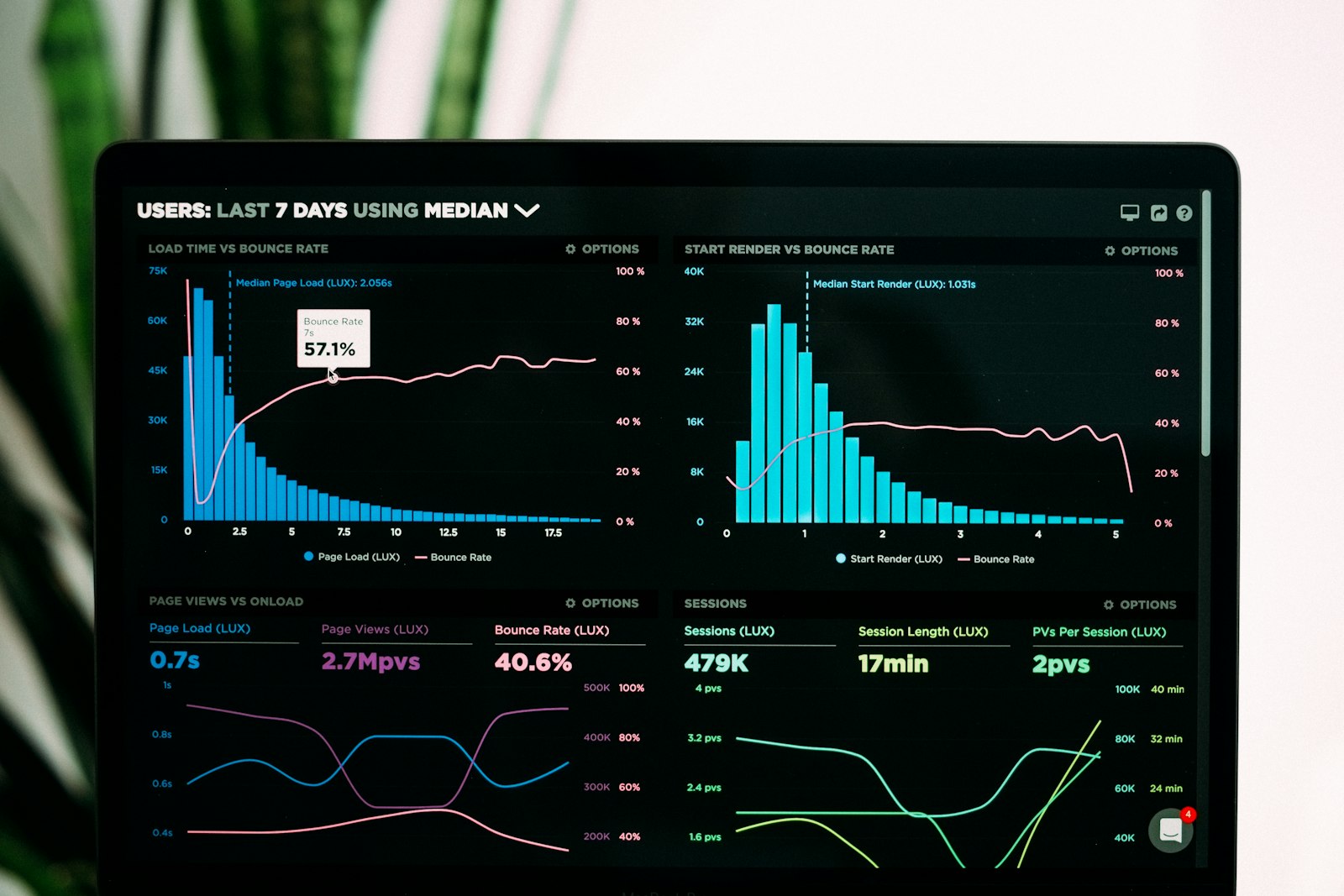
A well-chosen chart can reveal in seconds a pattern that a thousand rows of data would hide. The key is matching the visualization to the message: a trend over time wants a line; a comparison wants bars; a relationship wants a scatter plot. The goal is always clarity — stripping away clutter so the insight stands out. Good visualization is an act of generosity toward the audience.
The Ethics of Persuasion
With the power to persuade comes a serious responsibility. The same techniques that clarify can also mislead. A truncated axis can exaggerate a trivial difference; a cherry-picked time range can imply a trend that does not exist; a cleverly chosen chart can push a conclusion the full data does not support.
The data storyteller's first obligation is to the truth, not to the argument. Responsible practitioners present context, acknowledge uncertainty, and show the data honestly even when it complicates their preferred narrative. Persuasion that distorts is not storytelling; it is manipulation, and it destroys the trust on which all analysis depends.
A Concrete Example
Consider an analyst who discovers that a company's most loyal customers are quietly leaving. A weak presentation buries this in a table of retention metrics, and leadership misses it. A strong data story opens with the stakes ("our best customers are walking away"), shows a single clear chart of the decline, explains the likely cause from the data, and ends with a concrete recommendation. Same finding — but now it drives an urgent, well-informed decision. The analysis was identical; the storytelling made it matter.
Why Communication Is a Core Skill
There is a persistent myth that communication is a "soft skill," secondary to technical ability. In data science, this is simply false. The analyst who can explain their findings clearly has far more impact than the one whose brilliant work no one understands. As automated tools make basic analysis more accessible, the ability to interpret results and communicate them persuasively and honestly becomes a key differentiator — and a durable one.
Looking Ahead
As organizations drown in ever more data, the premium on people who can turn that data into clear, trustworthy insight only grows. The data scientists who master both the analysis and the storytelling will be the ones whose work actually changes decisions — and the world.
Make Data Matter — Research Data Science at AIRCST
At the Aleta International Research Center for Science and Technology (AIRCST), our Data Science researchers pair analytical rigor with clear, honest communication. If you want your analysis to drive real decisions, explore our research programs and join us, or get in touch to learn more.